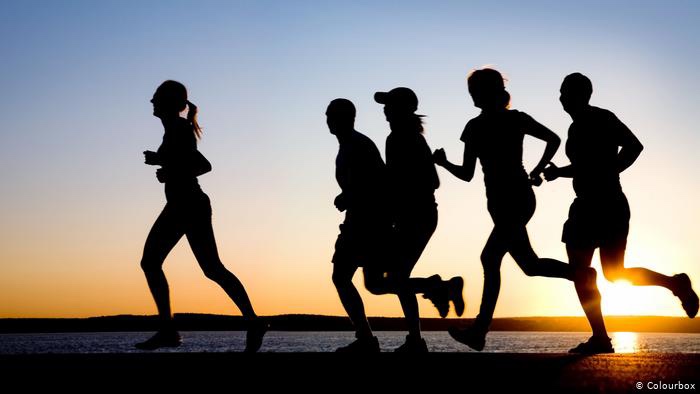
إنّ الرّياضة هي التّعبير عن الحياة والنّشاط والحيويّة، فالإنسان الذي يمارس الريّاضة في حياته هو الإنسان الأقدر على التّعبير عن روح الحياة التي تتّسم بالحركة والدّيناميكيّة، بل إنّ الإنسان بممارسته للرّياضة يحقّق مقاصد الحياة وأهدافها التي تتطلّب بذل الجهد والنّشاط. إنّ الرّياضة هي وسيلة الحصول على جسدٍ سليمٍ معافي، كما أنّها وسيلة للتّخلص من الأمراض، فالإنسان الذي يمارس الرّياضة يستطيع الوصول إلى جسمٍ متناسق قويّ، كما أنّه بممارسة الرّياضة يستطيع وقاية جسده من الأمراض وعلى رأسها مرض السّمنة الذي يكون سبباً في أمراض أخرى مثل السّكري والانزلاق الغضروفي، وبالتّالي على الإنسان أن يحرص على الرّياضة لما فيها من فوائد جمّة لصحّة الجسم. تعزّز الرّياضة الجوانب الإيجابيّة في نفس من يمارسها كما تبعد عنه الجوانب السّلبيّة، فقد أثبتت كثيرٌ من الدّراسات دور ممارسة الرّياضة في تحسين الصّحة النّفسيّة للإنسان وتعزيز الرّوح الإيجابيّة لديه، حيث إنّ الإنسان أثناء ممارسته للرّياضة يفرز هرمونات معيّنة تبعث على الرّاحة والسّعادة.
أرشيف التصنيف:غير مصنف
متى قد تصبح الرياضة ضارة

متى قد تصبح الرياضة ضارة؟
فوائد الرياضة عديدة ومتنوعة، ولكن يوجد حالات معينة قد تكون فيها الرياضة ضارة. فلنتعرف عليها في ما يأتي:
• ممارسة التمارين الرياضية أثناء الإصابة ببعض المشكلات الصحية والأمراض التي قد سبب التمرين زيادتها سوءًا، مثل: الحمى، والإنفلونزا، ونوبات الربو، وارتجاج الدماغ، وألم الظهر.
• ممارسة رياضة الجري من قبل أشخاص مصابين بالسمنة، فهذا النوع من الرياضة تحديدًا قد يرفع من فرص إصابة مرضى السمنة بمشكلات في المفاصل، ومن الممكن أن تتفاقم لدرجة قد تستدعي الخضوع لعملية استبدال للمفصل.
• ممارسة الرياضة في فترة قد يكون فيها الجسم مرهقًا من الأصل نتيجة عدم الحصول على قسط كافي من النوم في الليلة السابقة.
• ممارسة الرياضة بالرغم من الشعور بألم أو انزعاج من إصابة رياضية سابقة.
• ممارسة بعض أنواع الرياضة أثناء الحمل، فيوجد تمارين ورياضات معينة يمنع على الحامل ممارستها أو يفضل أن تتجنبها الحامل قدر الإمكان، مثل: الهبوط بالمظلات، والملاكمة، والأنشطة التي تتضمن تسلق أماكن مرتفعة، واليوغا الساخنة.
• ممارسة التمارين الرياضية بإفراط.
• ممارسة بعض التمارين الرياضية التي تعد عالية الخطورة، أو ممارسة بعض التمارين الرياضية بشكل خاطئ.
• ممارسة التمارين الرياضية في الطقس الحار لا سيما التمارين القاسية، فهذا قد يجعل الجسم عرضة للإصابة بالتجفاف والإرهاق.
اضرار الرياضة
أضرار الرياضة
ترتبط غالبية أضرار الرياضة المحتملة بحالات فرط ممارسة الرياضة على وجه الخصوص، وفي ما يأتي الأضرار والمضاعفات الصحية التي قد تسببها ممارسة الرياضة بإفراط:
• الإصابة ببعض الاضطرابات والمشكلات النفسية، مثل: التقلبات المزاجية، والاكتئاب، والقلق.
• الإصابة باضطرابات النوم.
• الإرهاق والتعب.
• الشعور بحرقة مستمرة في العضلات.
• مشكلات في العضلات تتعلق بفرط استخدام عضلات ومفاصل معينة من الجسم.
• ضعف جهاز المناعة، ورفع فرص الإصابة بنزلات البرد.
• الإصابة بالجفاف.
• رفع فرص الإصابة بمرض هشاشة العظام.
• رفع فرص الإصابة ببعض أمراض ومشكلات القلب الخطيرة، مثل: توقف القلب، واضطرابات نبض القلب.
• الإصابة بخلل في الهرمونات قد يكون له العديد من المضاعفات الصحية، مثل تدني مستويات الخصوبة.
نصائح هامة عند ممارسة الرياضة
نصائح هامة عند ممارسة الرياضة
لكي تكون أقل عرضة للإصابات أثناء ممارسة التمارين الرياضية، احرص على اتباع النصائح التالية:
1. قم بممارسة تمارين الإحماء قبل ممارسة أي تمرين رياضي.
2. احرص على ممارسة التمارين الرياضية باعتدال ودون إفراط، وإذا ما أصبت أثناء ممارسة التمرين خذ قسطًا كافيًا من الراحة أو مارس تمارين أقل حدة إلى أن تشفى إصاباتك.
3. لا تمارس تمارين رياضية قاسية في الطقس الحار.
4. احرص على ارتداء ثياب رياضية ملائمة.
5. قم بزيادة حدة التمارين الرياضية تدريجيًا، ولا تقم بالانتقال من تمارين خفيفة لتمارين عالية الحدة مرة واحدة.
6. احرص على شرب كمية كافية من الماء قبل وأثناء وبعد ممارسة التمارين الرياضية.
Introduce Yourself (Example Post)
This is an example post, originally published as part of Blogging University. Enroll in one of our ten programs, and start your blog right.
You’re going to publish a post today. Don’t worry about how your blog looks. Don’t worry if you haven’t given it a name yet, or you’re feeling overwhelmed. Just click the “New Post” button, and tell us why you’re here.
Why do this?
- Because it gives new readers context. What are you about? Why should they read your blog?
- Because it will help you focus your own ideas about your blog and what you’d like to do with it.
The post can be short or long, a personal intro to your life or a bloggy mission statement, a manifesto for the future or a simple outline of your the types of things you hope to publish.
To help you get started, here are a few questions:
- Why are you blogging publicly, rather than keeping a personal journal?
- What topics do you think you’ll write about?
- Who would you love to connect with via your blog?
- If you blog successfully throughout the next year, what would you hope to have accomplished?
You’re not locked into any of this; one of the wonderful things about blogs is how they constantly evolve as we learn, grow, and interact with one another — but it’s good to know where and why you started, and articulating your goals may just give you a few other post ideas.
Can’t think how to get started? Just write the first thing that pops into your head. Anne Lamott, author of a book on writing we love, says that you need to give yourself permission to write a “crappy first draft”. Anne makes a great point — just start writing, and worry about editing it later.
When you’re ready to publish, give your post three to five tags that describe your blog’s focus — writing, photography, fiction, parenting, food, cars, movies, sports, whatever. These tags will help others who care about your topics find you in the Reader. Make sure one of the tags is “zerotohero,” so other new bloggers can find you, too.
Introduce Yourself (Example Post)
This is an example post, originally published as part of Blogging University. Enroll in one of our ten programs, and start your blog right.
You’re going to publish a post today. Don’t worry about how your blog looks. Don’t worry if you haven’t given it a name yet, or you’re feeling overwhelmed. Just click the “New Post” button, and tell us why you’re here.
Why do this?
- Because it gives new readers context. What are you about? Why should they read your blog?
- Because it will help you focus your own ideas about your blog and what you’d like to do with it.
The post can be short or long, a personal intro to your life or a bloggy mission statement, a manifesto for the future or a simple outline of your the types of things you hope to publish.
To help you get started, here are a few questions:
- Why are you blogging publicly, rather than keeping a personal journal?
- What topics do you think you’ll write about?
- Who would you love to connect with via your blog?
- If you blog successfully throughout the next year, what would you hope to have accomplished?
You’re not locked into any of this; one of the wonderful things about blogs is how they constantly evolve as we learn, grow, and interact with one another — but it’s good to know where and why you started, and articulating your goals may just give you a few other post ideas.
Can’t think how to get started? Just write the first thing that pops into your head. Anne Lamott, author of a book on writing we love, says that you need to give yourself permission to write a “crappy first draft”. Anne makes a great point — just start writing, and worry about editing it later.
When you’re ready to publish, give your post three to five tags that describe your blog’s focus — writing, photography, fiction, parenting, food, cars, movies, sports, whatever. These tags will help others who care about your topics find you in the Reader. Make sure one of the tags is “zerotohero,” so other new bloggers can find you, too.
Introduce Yourself (Example Post)
This is an example post, originally published as part of Blogging University. Enroll in one of our ten programs, and start your blog right.
You’re going to publish a post today. Don’t worry about how your blog looks. Don’t worry if you haven’t given it a name yet, or you’re feeling overwhelmed. Just click the “New Post” button, and tell us why you’re here.
Why do this?
- Because it gives new readers context. What are you about? Why should they read your blog?
- Because it will help you focus your own ideas about your blog and what you’d like to do with it.
The post can be short or long, a personal intro to your life or a bloggy mission statement, a manifesto for the future or a simple outline of your the types of things you hope to publish.
To help you get started, here are a few questions:
- Why are you blogging publicly, rather than keeping a personal journal?
- What topics do you think you’ll write about?
- Who would you love to connect with via your blog?
- If you blog successfully throughout the next year, what would you hope to have accomplished?
You’re not locked into any of this; one of the wonderful things about blogs is how they constantly evolve as we learn, grow, and interact with one another — but it’s good to know where and why you started, and articulating your goals may just give you a few other post ideas.
Can’t think how to get started? Just write the first thing that pops into your head. Anne Lamott, author of a book on writing we love, says that you need to give yourself permission to write a “crappy first draft”. Anne makes a great point — just start writing, and worry about editing it later.
When you’re ready to publish, give your post three to five tags that describe your blog’s focus — writing, photography, fiction, parenting, food, cars, movies, sports, whatever. These tags will help others who care about your topics find you in the Reader. Make sure one of the tags is “zerotohero,” so other new bloggers can find you, too.
 الرياضة